You may have several questions regarding how to care for a urostomy. Because the requirements of every person may vary, there is no one right answer. You may, however, find a few suggestions and ideas helpful in this regard.

Emptying and changing the urostomy pouch
During your hospital stay after urostomy surgery, an ostomy care nurse will teach you how to empty and change your ostomy pouch. You will also learn about how to take care of the stoma and the skin around it.
Emptying the pouch

Emptying a urostomy pouch is very easy, thanks to a valve at the bottom of the pouch. With a higher chance of the growth of bacteria in the pouch, you will need to empty it more often. Allowing too much urine to store in the ostomy pouch can result in it gaining weight, which can cause the seal to compromise. You will need to empty the pouch when it is one-third to half full.
You may need to empty the pouch 5-6 times a day, which could mean emptying it every 4 hours. If you drink a lot of fluids, the frequency of emptying the pouch will be even higher.
Changing the pouch
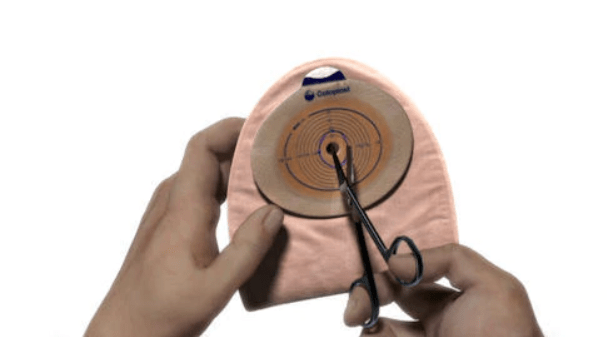
When to change a urostomy pouch depends on the type of pouch you use and the state of your peristomal skin health. The best approach is to change the pouch according to a set schedule to prevent any problems. The best time to change the pouch is the morning before eating or drinking anything. If it is not possible due to any reason, you may want to change the pouch 1 or 2 hours after drinking fluids. You don’t want your stoma to pass out urine while you change the pouch.
You can change your pouch in any position you are comfortable in, such as sitting, standing, or lying. The rule of thumb is to get into the position that allows you to see your stoma when you change the pouch. Most people prefer changing their urostomy pouches while standing because it allows them to prevent any spillage of urine on the floor. You can also sit on the toilet and make sure that urine falls in the toilet bowl without coming in contact with the body and clothes.
The reason you need to set a proper schedule to empty and change the urostomy pouch is that it allows you to keep the pouch clean. A pouch with leftover urine can cause bacteria to travel up into the kidneys through ureters to cause kidney infections. Changing the pouch on a schedule will help prevent such infections.
Protect the skin around the stoma
The skin around your stoma should be just as the skin elsewhere on your abdomen. If any part of the skin comes in contact with urine regularly, it can develop irritation and other problems. It means that you are going to have to ensure a proper seal between the ostomy pouch’s skin barrier and the peristomal skin. For this purpose, you will need to change the ostomy pouch before it seal weakens. You will also need to use the right-sized ostomy pouch and skin barrier opening. For more information in this regard, you may want to meet or contact your ostomy care nurse.

 The Life Training