Although surgery can be the ultimate treatment for long-term ulcerative colitis, this option may not be for everyone. Your doctor will suggest an operation if your ulcerative colitis doesn’t respond to other conventional treatments, including medications and changes in your diet. Surgery can help prevent colon cancer.
When it comes to surgery to treat ulcerative colitis, there are two options that a doctor may consider. We will discuss both of them briefly in this article.
J-Pouch
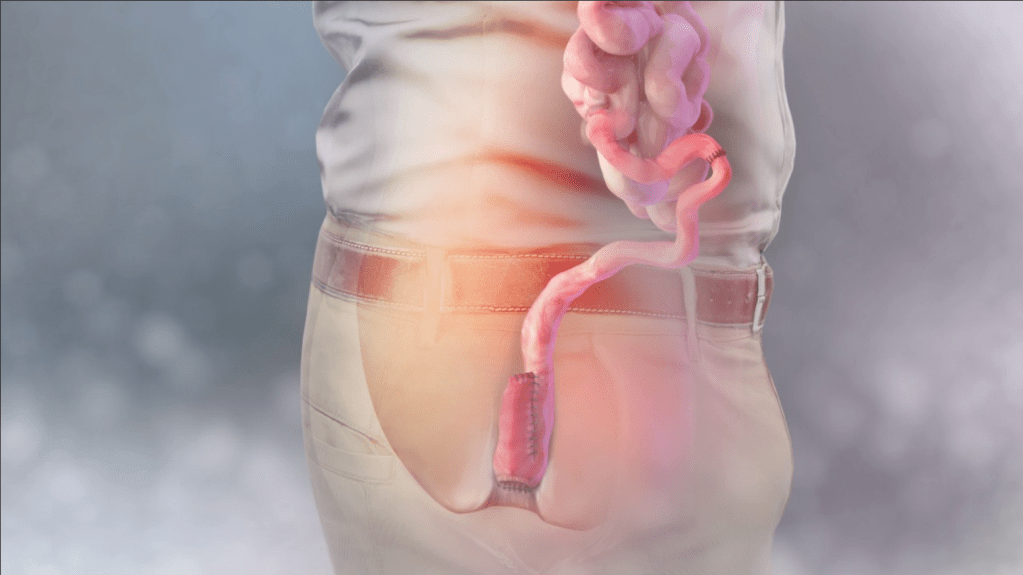
J-Pouch, also known as IPAA (ileal pouch-anal anastomosis), is a procedure aiming at removing the troubling part of your bowel, including your colon and rectum. The surgeon then folds the end of the small bowel to create a pouch of it and connects it to the anal canal. This internal pouch collects stools while the anus allows them to leave the body.
While a j-pouch can make your life easier, it can also have some side effects. For instance, it can become inflamed or irritated. This condition is known as pouchitis. Doctors recommend antibiotics for its treatment.
Since the muscles around your anus are not affected during the creation of a j-pouch, you will eventually be able to pass out stools from your anus the natural way.
Initially, your surgeon will give you an ileostomy to allow the j-pouch to recover. It means that you will have to attach an ostomy pouch over your stoma to take care of your bowel movements. It usually takes 12 weeks for your bowel to recover for you to be fit enough to undergo stoma reversal surgery. During this surgery, the surgeon will reconnect your bowel.
Your doctor will tell you any limitations you have to take care of during the recovery duration.
Ileostomy
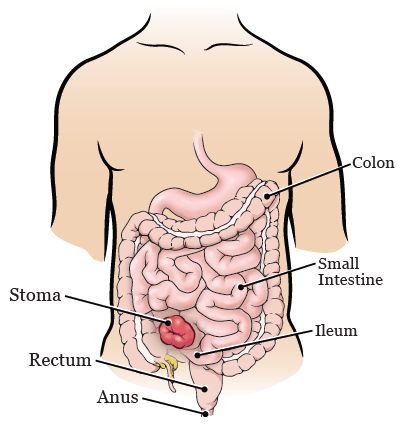
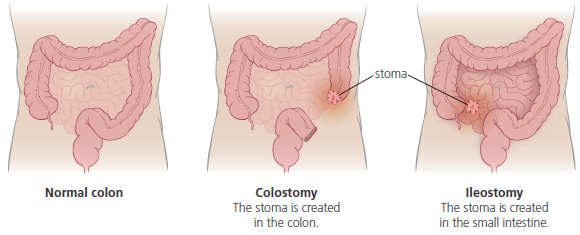
An ileostomy is a more conservative surgical option to treat ulcerative colitis. During this procedure, the surgeon will disconnect your colon from the small intestine and pull the end of the small intestine through a cut in the belly to create a stoma. After the procedure, you will no longer be able to pass out stools through your anus. Instead, they will leave your body through the stoma. You will have to wear an ostomy bag over the stoma to manage your stool evacuations. You will have to empty or change the bag once it is full.
An ileostomy can be permanent if your surgeon chooses to remove the colon and rectum permanently.
This bowel diversion can also have some side effects, including a heightened risk of infection. You can speak to your doctor or an ostomy care nurse to prevent or get rid of an infection on the stoma or the skin around it.
It will take some time for you to recover from the impact of ileostomy surgery. You can return to your routine activities in 6-8 weeks after surgery. You can eat whatever you want, engage in sports, and go to your workplace. You may, however, need to stay away from heavy lifting unless your doctor approves.
While living with an ileostomy is not hard, you will have to adapt to a careful lifestyle. It doesn’t necessarily mean an extra burden. Eventually, you will get used to this new routine.

 The Life Training